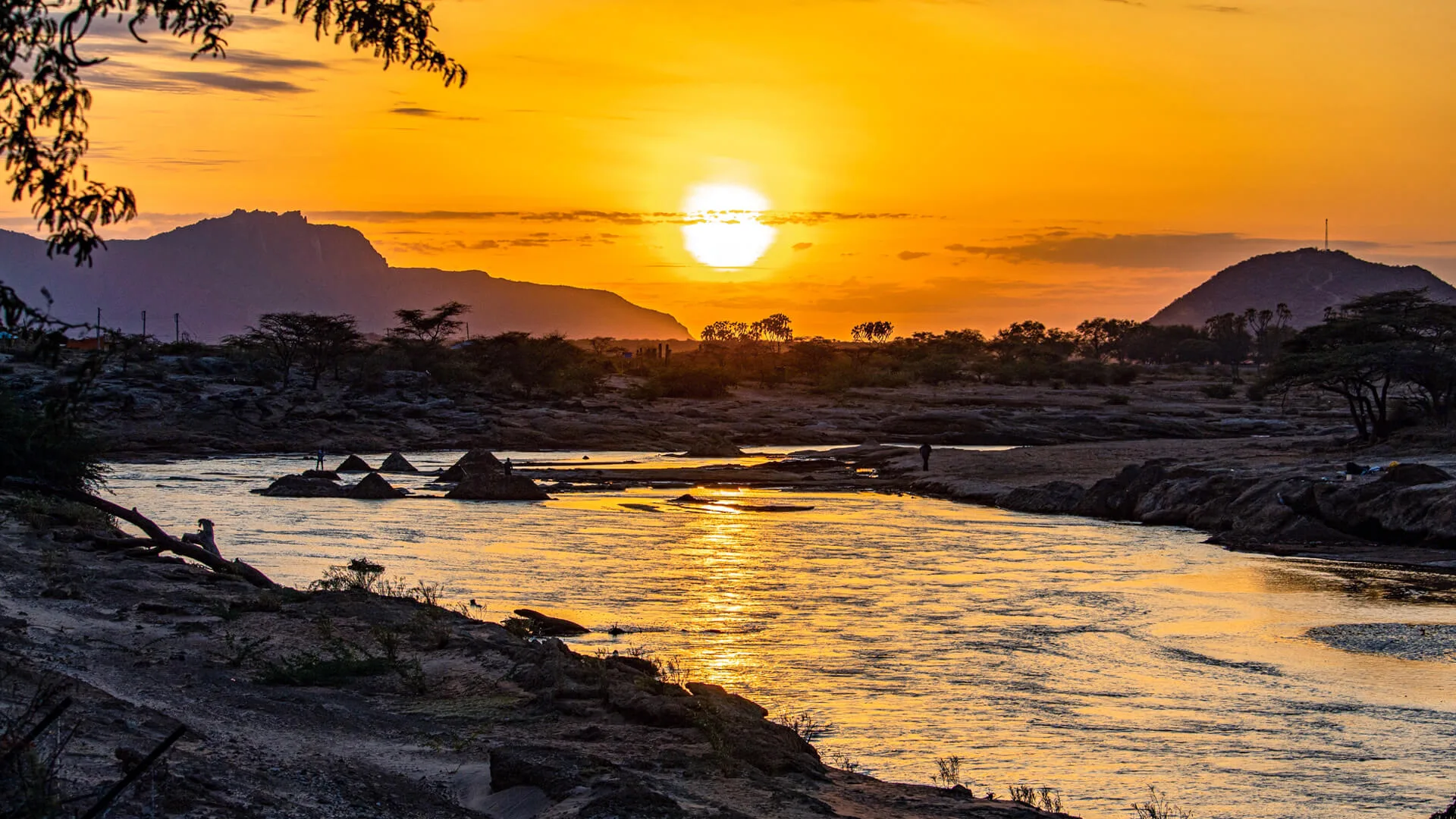
Maasai Mara National Reserve extends across 1,510 km² of open savannah in Kenya’s Rift Valley Province, forming the northern extension of Tanzania’s Serengeti ecosystem. Together they create the world’s largest continuous wildlife area, and the stage for the planet’s greatest wildlife spectacle.
The Great Wildebeest Migration is the Mara’s defining event. Between July and October each year, some 1.5 million wildebeest, accompanied by 200,000 zebras and 350,000 Thomson’s gazelles, pour north from the Serengeti into the Mara in search of fresh grazing. The Mara River crossings, where the herds must plunge into crocodile-filled waters, are among the most dramatic scenes in nature.
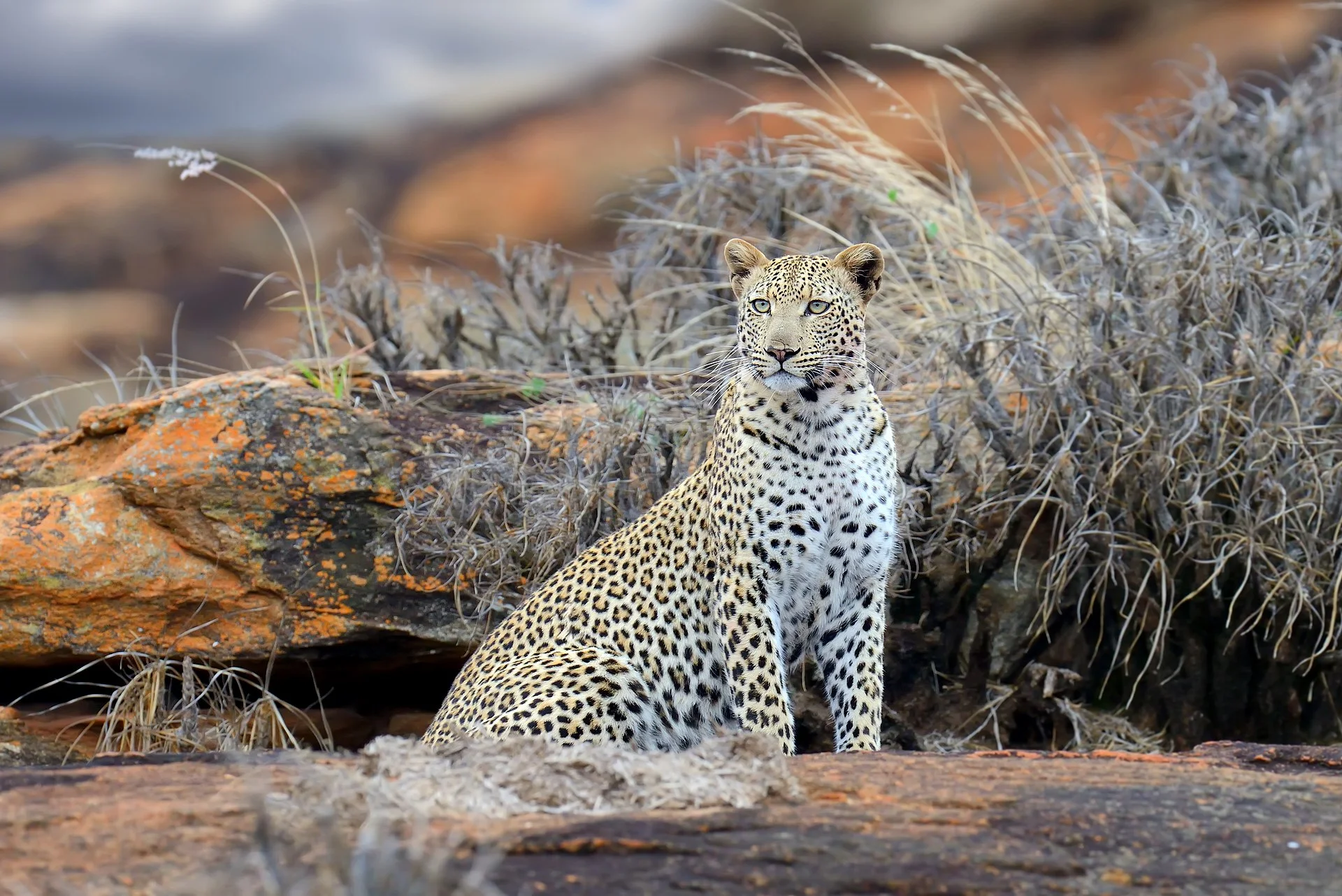
Even outside migration season, the Mara offers extraordinary game viewing. It holds one of Africa’s highest lion densities, with multiple prides regularly visible on a single morning drive. Leopards are spotted regularly in the Mara Triangle and along the Talek River corridors. The Mara’s cheetah population, including several well-known mothers with cubs, reliably delivers some of Africa’s best cat viewing year-round.
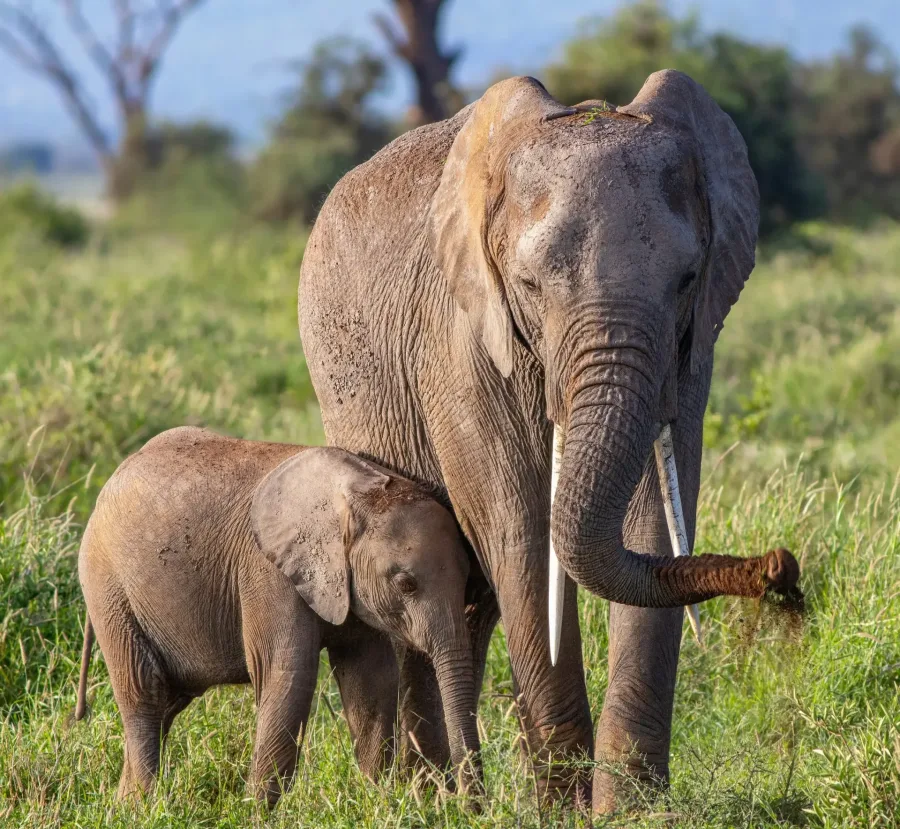
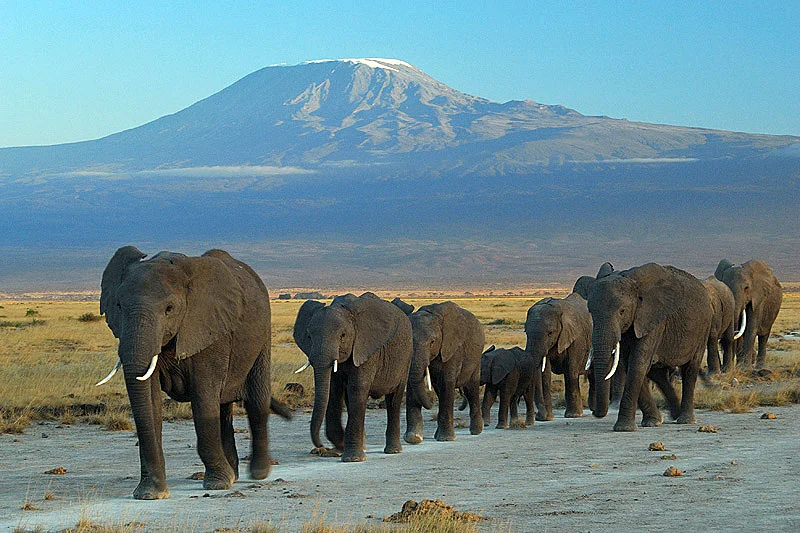
Hot air balloon safaris at dawn offer a magical perspective over the reserve, drifting silently above herds of elephants and plains game before landing for a bush breakfast in the savannah.
The Maasai people, whose name the reserve bears, live around and within the conservancies surrounding the reserve. Visits to traditional villages provide genuine cultural insight into one of Africa’s most iconic peoples, whose coexistence with wildlife helps preserve the ecosystem.