
Uganda
The Pearl of Africa
More than gorillas, though start there
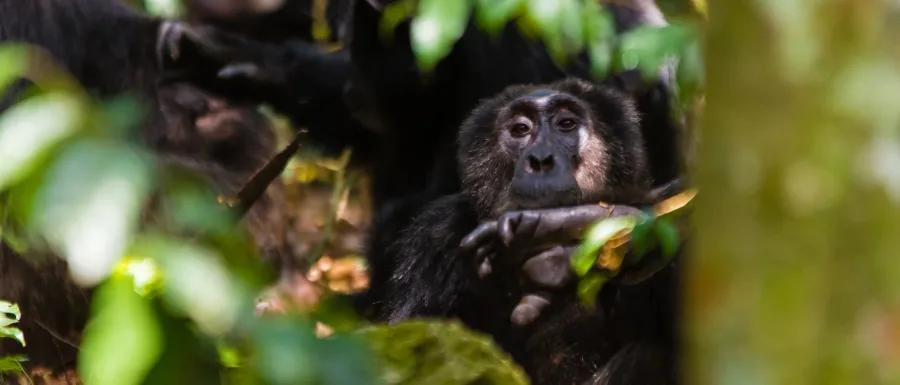
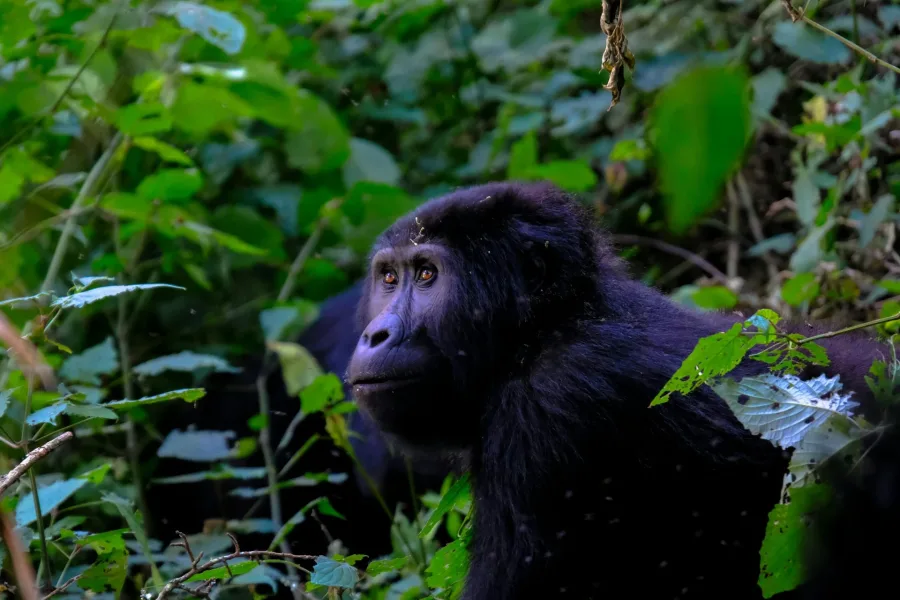
Most people come to Uganda for one hour with the mountain gorillas. They leave talking about the rest: chimpanzees calling through Kibale, hippos crowding the Kazinga Channel, and the Nile forcing itself through a gap in the rock at Murchison Falls. Uganda is roughly the size of the UK, but it changes quickly: steep, wet forest on the Congo border in the southwest, crater lakes and savannah through the middle, the Nile and open plains in the north, and Kidepo in the far northeast, which feels like another country altogether.
A good trip here does not try to see all of it. It picks a direction and gives each stop enough time: a night at the crater lakes between Kibale and Bwindi, a morning on the Kazinga Channel in Queen Elizabeth instead of another game drive, a boat to the foot of Murchison Falls.
That is how we plan it. We start with what matters most to you, then build the route, the permits and the timing around it. How we work.
Which Uganda Route Suits You?
The southwest forests
Bwindi for gorillas, Kibale for chimpanzees, and Queen Elizabeth in between for game drives and the Kazinga Channel. This is the classic Uganda trip.
Explore Bwindi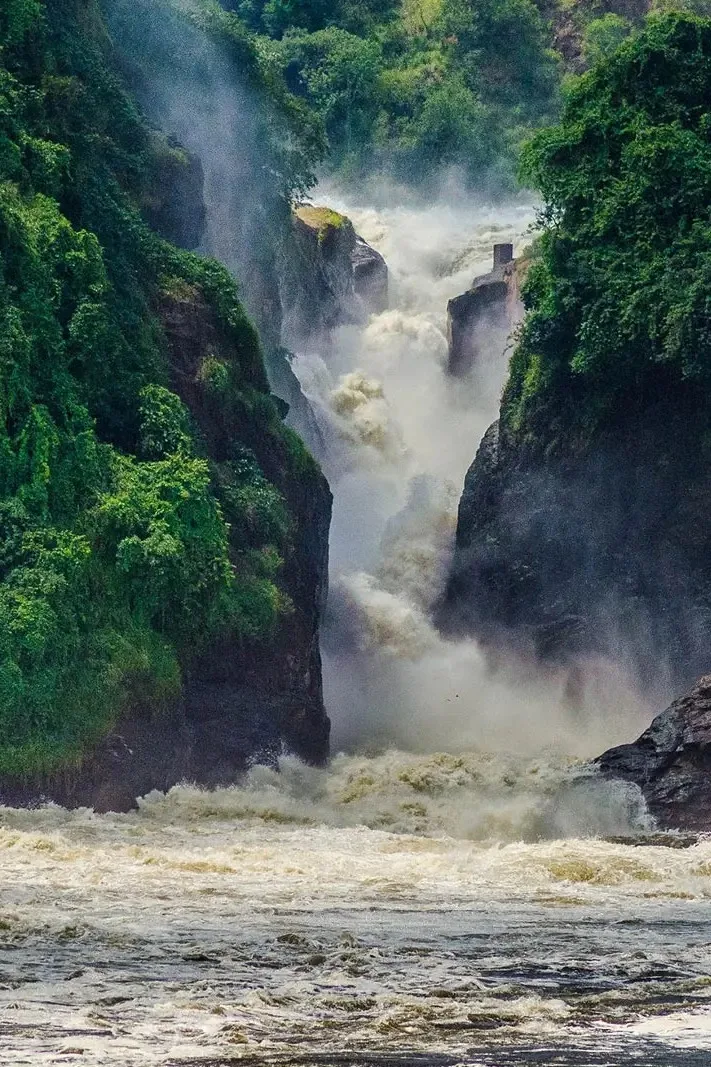
The full western circuit
Add Murchison Falls in the north, where the Nile squeezes through an eight-metre gorge and drops 45 metres. Forest, savannah, river and falls in one trip, but shorter versions leave you living in the vehicle.
Explore Murchison Falls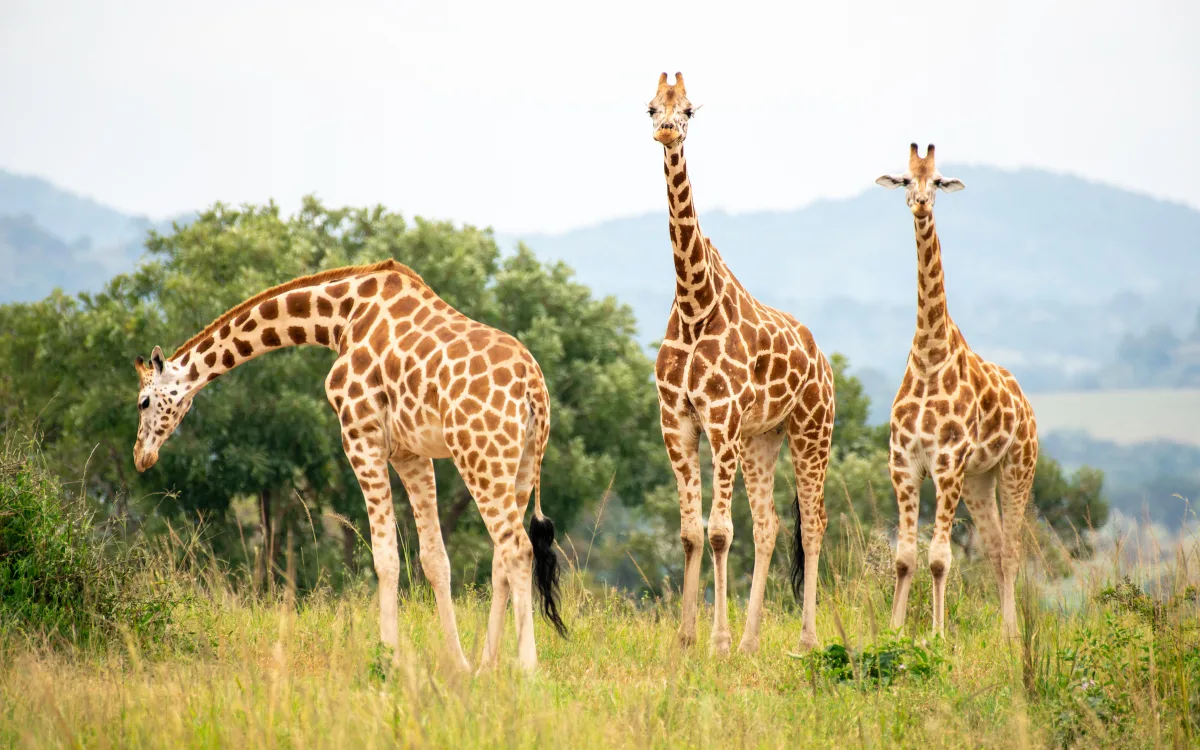
Kidepo and the northeast
Wide open plains in Karamoja, ringed by hills, with very few other vehicles. Most people fly in, because the road through Gulu takes around ten hours.
Explore KidepoUganda, Park by Park
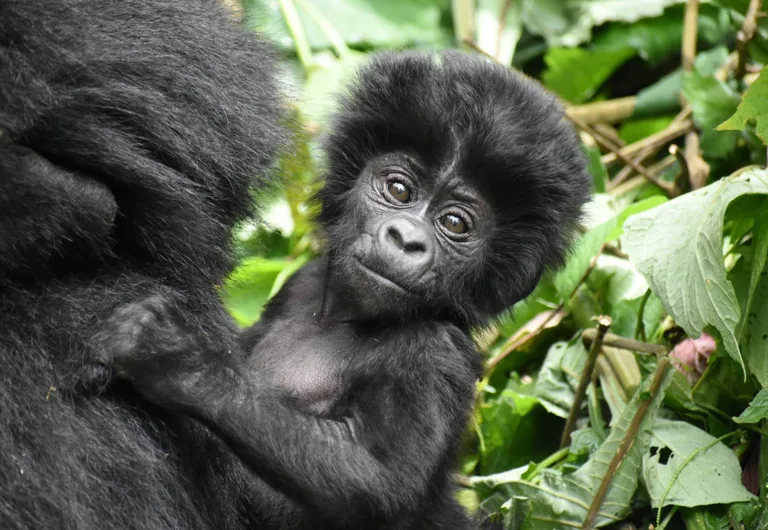
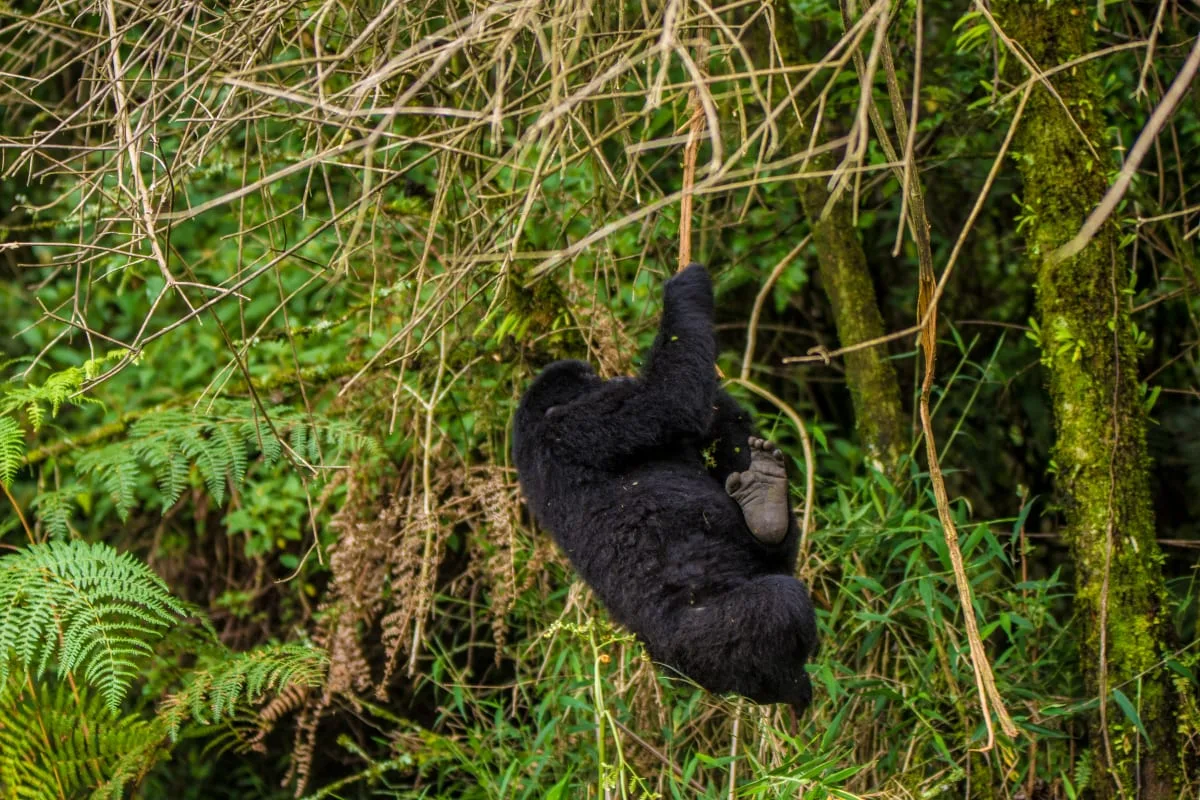
Bwindi Impenetrable Forest
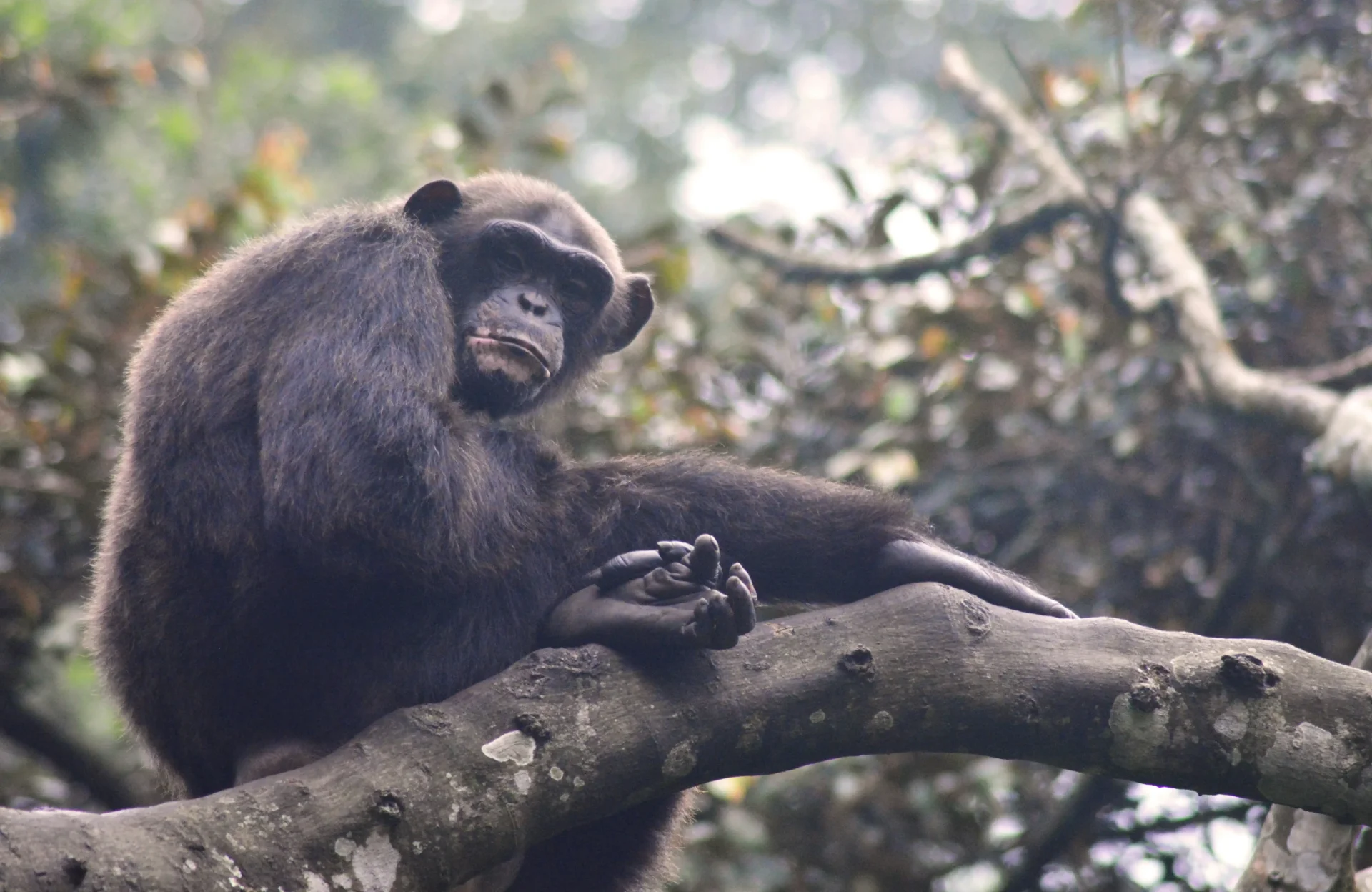
Kibale Forest National Park
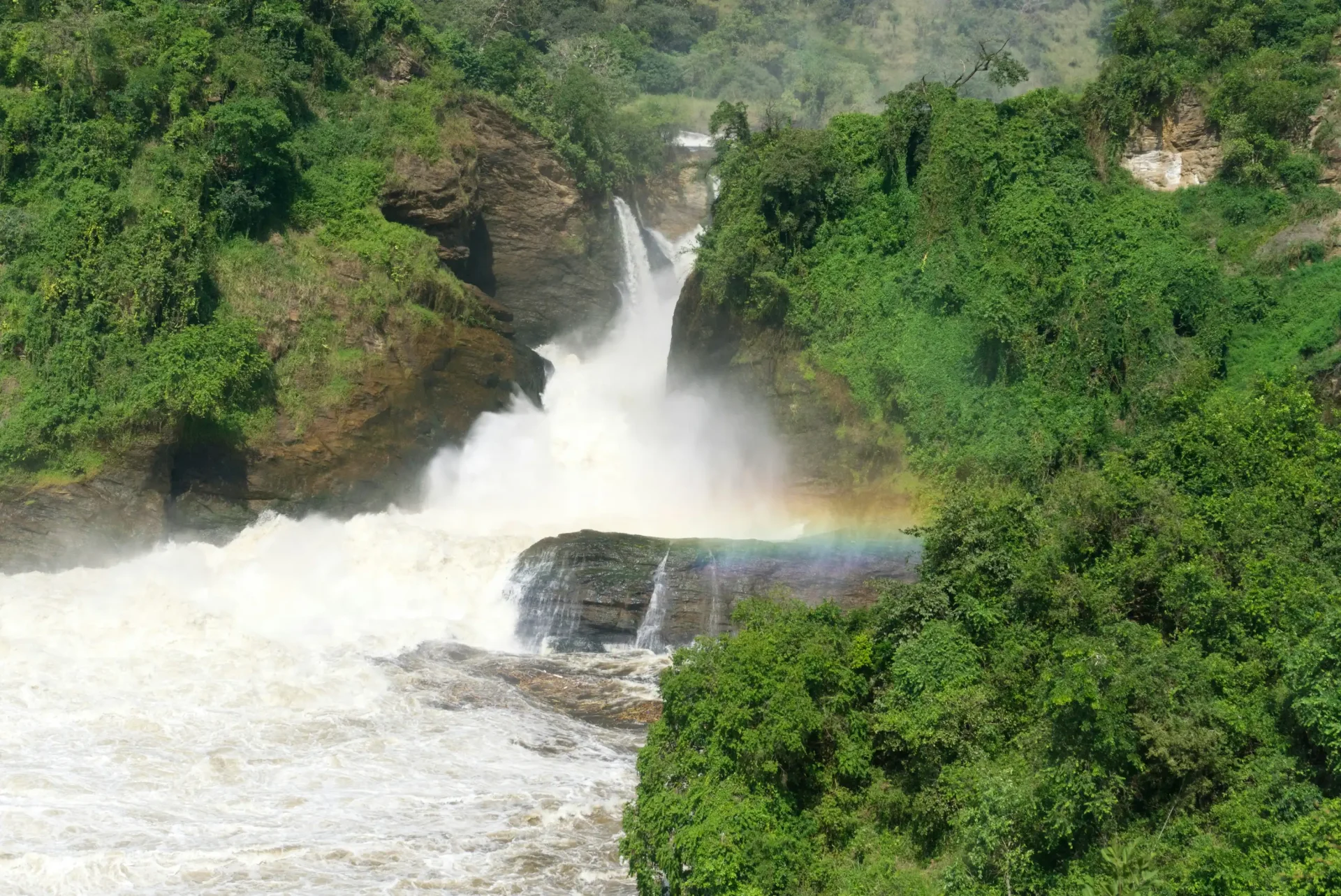
Murchison Falls National Park
More parks, each for a reason
None of them belongs on every itinerary. Pick the one that matches what you care about.
Beyond the parks: Lake Bunyonyi, a quiet lake near Kabale on the road from Bwindi's southern sectors, and a popular rest stop after a trek.
Queen Elizabeth National Park
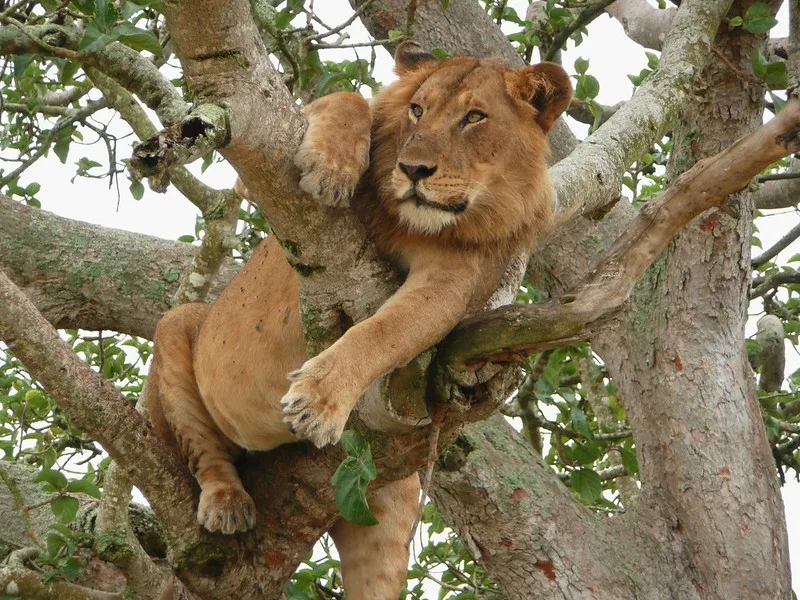
Boat safaris and tree-climbing lionsKidepo Valley National Park
Remote, wide and uncrowdedSemliki National Park
Hot springs and Congo-basin birdsMgahinga Gorilla National Park
Gorillas, golden monkeys and volcanoesLake Mburo National Park
Zebras and walking safaris, an easy first stopRwenzori Mountains National Park
Glaciers on the equator, up to 5,109 mMount Elgon National Park
Waterfalls, caves and a quieter climbWildlife Worth Planning Around
When Is the Best Time to Visit Uganda?
December to February
Dry and warm. Good trekking and easy roads, with lodges filling around Christmas, so book permits early.
March to May
The long rains. Muddier trails and slower roads, but green and quiet, with the lower gorilla permit rate in April and May.
June to September
The main dry season and the busiest. Firmest trails and the best time to combine gorillas with the savannah parks. Permits sell out first.
October to November
The short rains, often as afternoon showers. Fewer visitors, and the lower permit rate returns in November.
Uganda Safaris
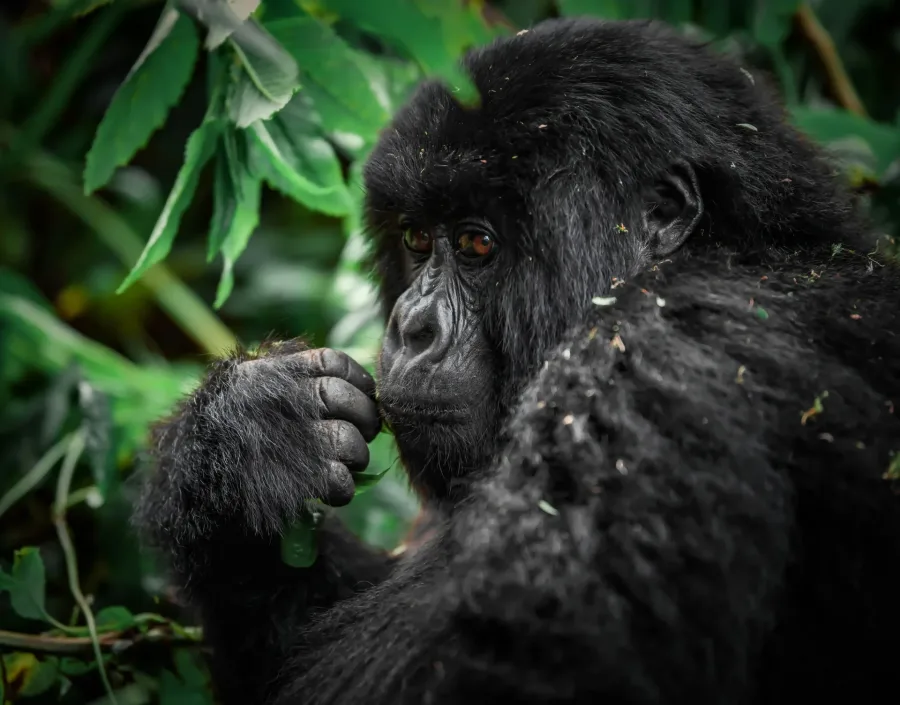
Uganda, Rwanda, or Kenya and Tanzania?
Choose Uganda if
- You want gorillas as part of a longer trip, with chimpanzees, savannah and the Nile.
- You would rather pay US$800 for a gorilla permit than US$1,500.
- You have a week or more, and do not mind long drives or a domestic flight.
Choose Rwanda if
- Gorillas are the main event and time is short.
- You want a short transfer: Volcanoes National Park is a short drive from Kigali.
- The higher permit price is not the deciding factor.
Pair Uganda with Another Country
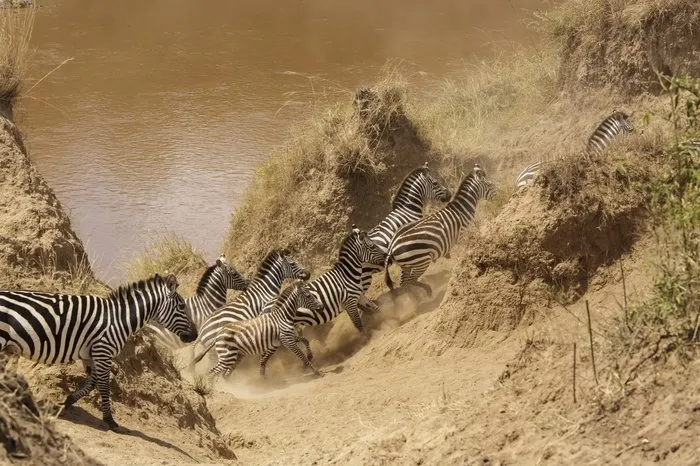
Kenya
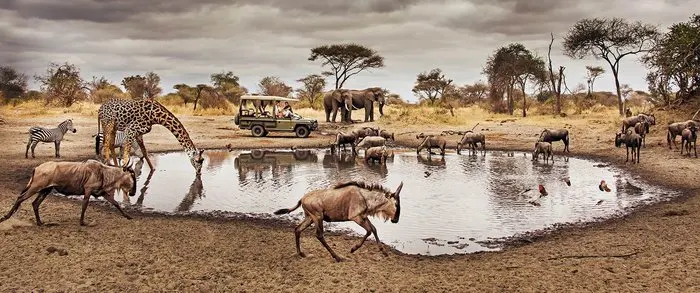
Tanzania
Rwanda
Cost, visas and the practical part
What it costs
Most private Uganda safaris run from about US$400 to US$800 or more per person per day, depending on the lodges. Permits and park fees are extra, added to your quote at the current rate. A five to eight day gorilla safari usually comes to US$3,000 to US$8,000 per person.
Safari pricingVisas
Apply online before you fly. A single-entry tourist e-visa is US$50, or the East Africa Tourist Visa, at US$100, covers Uganda, Rwanda and Kenya on one application. Your passport needs six months' validity.
Uganda visas and entryHealth
A yellow fever certificate is required, both for the visa and at the border. Malaria is present throughout the country, so see a travel clinic a few weeks before you go.
Uganda health guideWhat is included
Usually all lodges on full board, a private 4×4 with your guide, transfers and the activities on your route. Permits and park fees are added to your quote; international flights, visas, tips and porters are extra.
Included and excludedBefore you plan Uganda
Where can I go gorilla trekking in Uganda?
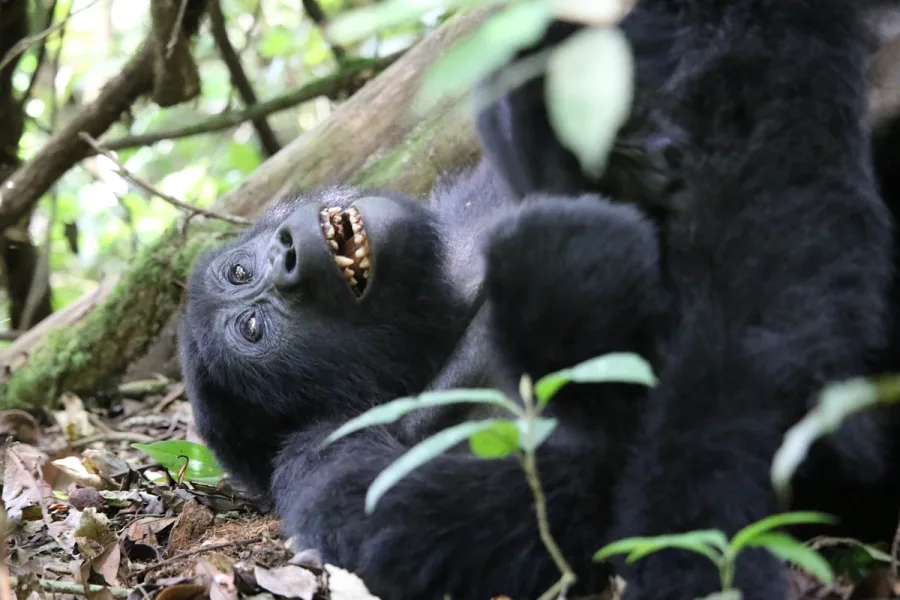
In two parks, both in the southwest. Bwindi Impenetrable National Park has four trekking sectors, Buhoma, Ruhija, Rushaga and Nkuringo, and is the usual choice. Mgahinga Gorilla National Park, in the Virunga volcanoes, suits travellers who would also like to track golden monkeys.
How much is a gorilla permit in Uganda, and how is it arranged?
A Uganda gorilla permit costs US$800 per person for foreign non-residents, or US$600 in April, May and November. The Uganda Wildlife Authority issues each permit for a fixed date and trekking sector, so we secure yours first and build the rest of the safari around it.
How fit do I need to be to trek gorillas?
Fit enough to walk uphill on steep, often muddy ground for a few hours. A trek takes two to seven hours in all, including the hour with the gorillas. A porter, about US$20 per trek plus a tip, will carry your bag and give you a hand on the steep parts. Tell us honestly how you walk and we will ask for an easier sector.
How many days do I need in Uganda?
Four days covers one gorilla trek if you fly in and out of Bwindi. Seven days covers gorillas and chimpanzees by road. Ten to twelve days adds Queen Elizabeth and Murchison Falls without rushing either.
How far ahead should I book a Uganda safari?
For June to September and the Christmas period, six to twelve months ahead, because gorilla permits are limited and those months sell out first. Outside the busy months a few months is often enough. Either way, the permit comes first and the rest of the trip is built around it.
Should I drive or fly between parks in Uganda?
Driving shows you the country and costs less, but Bwindi is a full day on the road from Kampala. Scheduled flights from Entebbe reach Kihihi and Kisoro, near Bwindi, in just over an hour, and Kidepo is usually reached by air. Many trips drive one way and fly the other.
Is Uganda or Rwanda better for gorilla trekking?
Rwanda suits a short trip where gorillas are the main event: Volcanoes National Park is a short drive from Kigali and the permit costs US$1,500. Uganda suits a longer trip that adds chimpanzees, savannah and the Nile. Its gorilla permit costs US$800, or US$600 in April, May and November. The gorilla hour itself is much the same in both.
How much does a Uganda safari cost?
Most private Uganda safaris cost from about US$400 to US$800 or more per person per day, depending on the lodges, with permits and park fees added on top. A five to eight day gorilla safari usually comes to US$3,000 to US$8,000 per person, and the gorilla permit itself is US$800, or US$600 in April, May and November.
Do I need a visa for Uganda?
Yes. Apply online before you travel: a single-entry tourist e-visa costs US$50, and the East Africa Tourist Visa, at US$100, covers Uganda, Rwanda and Kenya. You will also need a yellow fever certificate and a passport valid for six months beyond entry.
When is the best time to visit Uganda for a safari?
Uganda can be visited throughout the year. June to September and December to February often bring firmer forest trails, while wetter months are greener and can make road travel slower. The best timing depends on where you are going and how you prefer to travel.
What wildlife can I see in Uganda besides mountain gorillas?
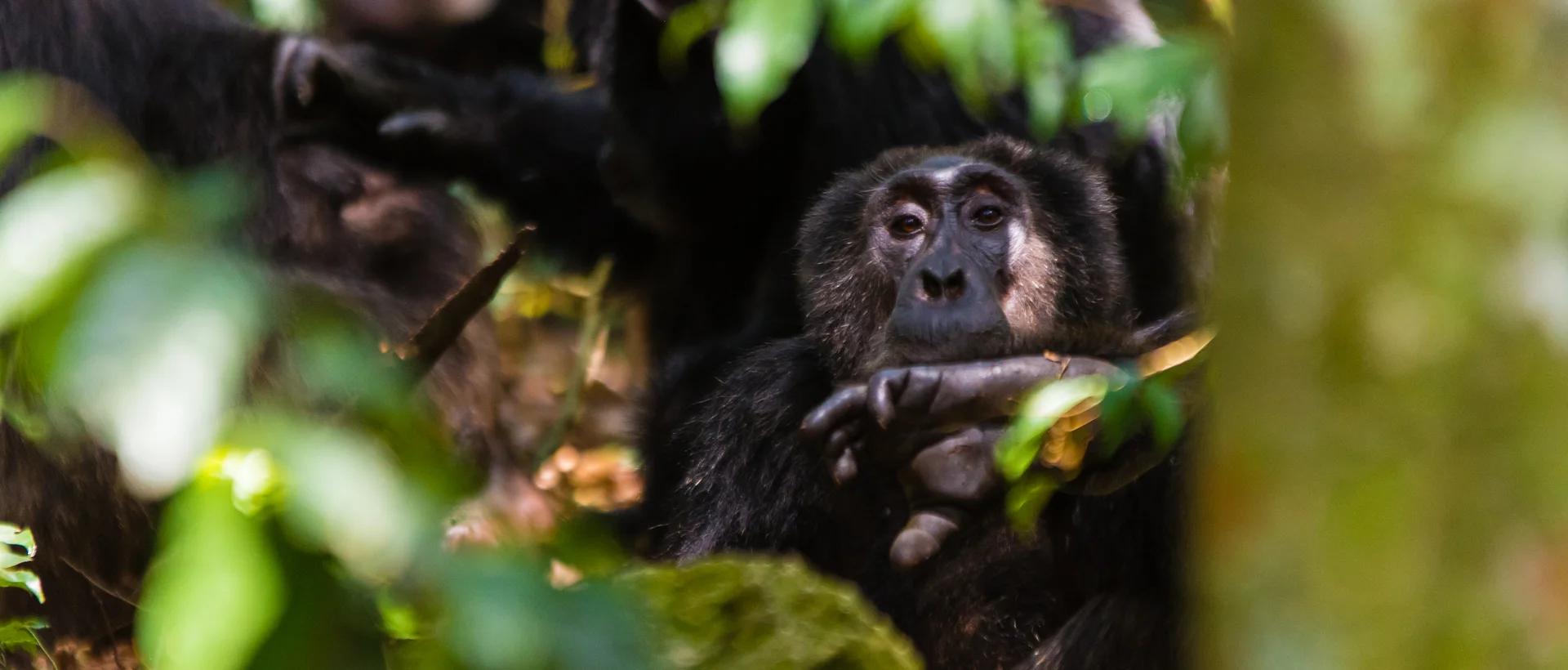
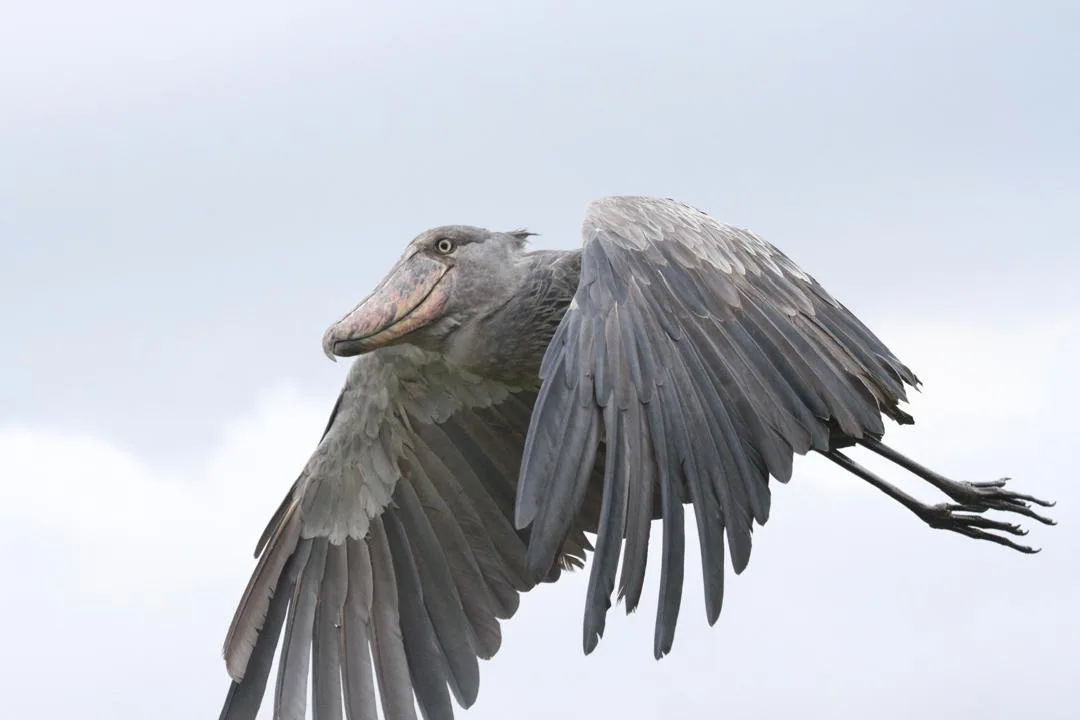
Chimpanzees in Kibale, tree-climbing lions in Ishasha, elephants and hippos on the Kazinga Channel in Queen Elizabeth, and Murchison Falls itself, with game drives on the northern plains and the shoebill in the delta. Uganda also has more than 1,000 bird species and the Rwenzori Mountains, if you want to climb.
What should I decide before planning a Uganda safari?
If gorilla trekking belongs in the journey, begin with the trekking date and sector, then decide how much to add around it. Bwindi and Kibale keep the route forest-led, Queen Elizabeth and Murchison bring in wildlife and river time, while Kidepo needs a longer northern commitment.