
Rwanda
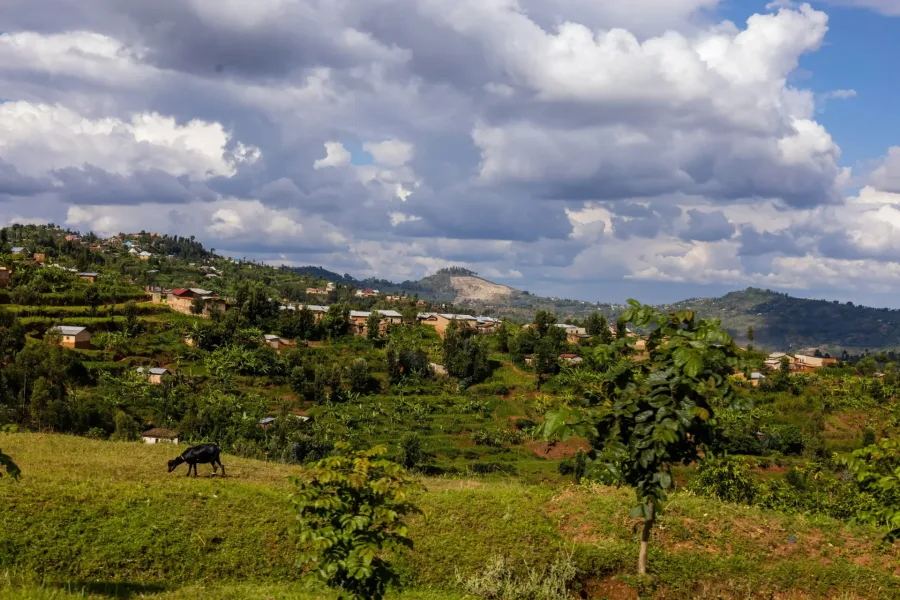
The Land of a Thousand Hills
The gorillas are closer than you think
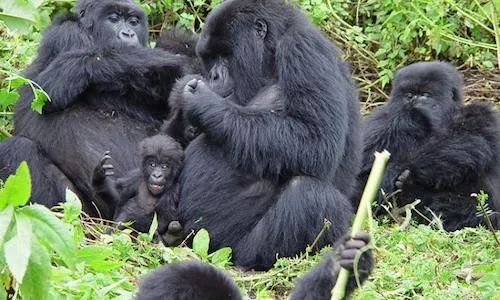
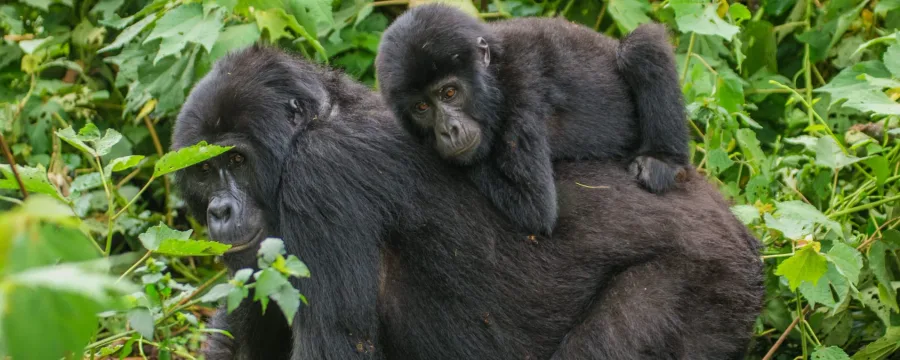
Land in Kigali after breakfast and you can be at the foot of the Virunga volcanoes by lunch. Up on those bamboo slopes, above the potato fields and the mist, twelve families of mountain gorillas go about their day. Few places on earth put wild gorillas this close to an international airport, which is why Volcanoes National Park is the choice when time is short and the gorillas are the reason for the trip.
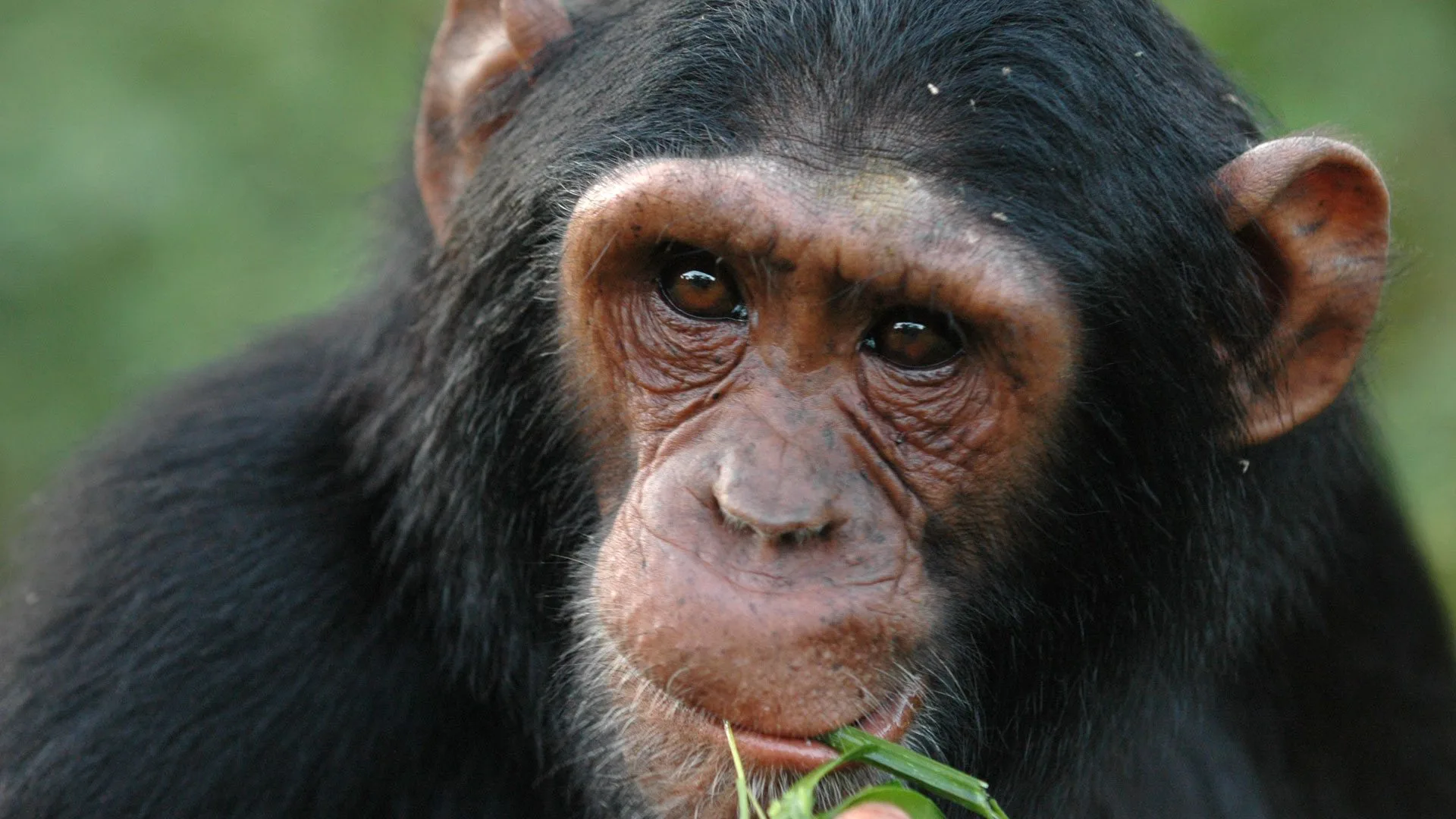
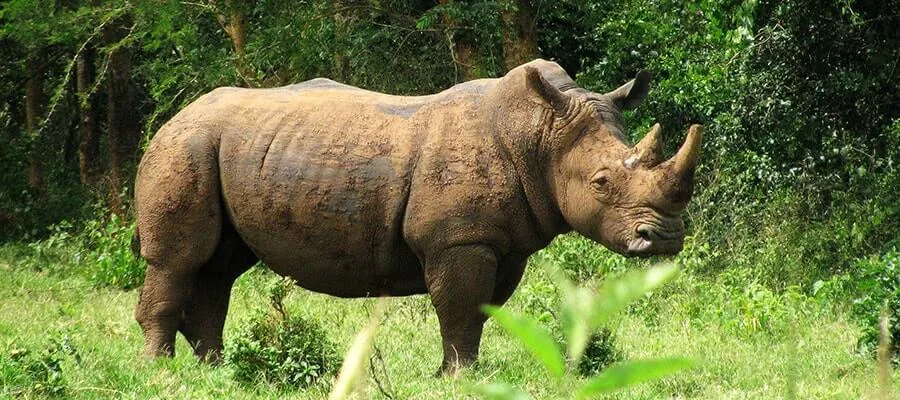
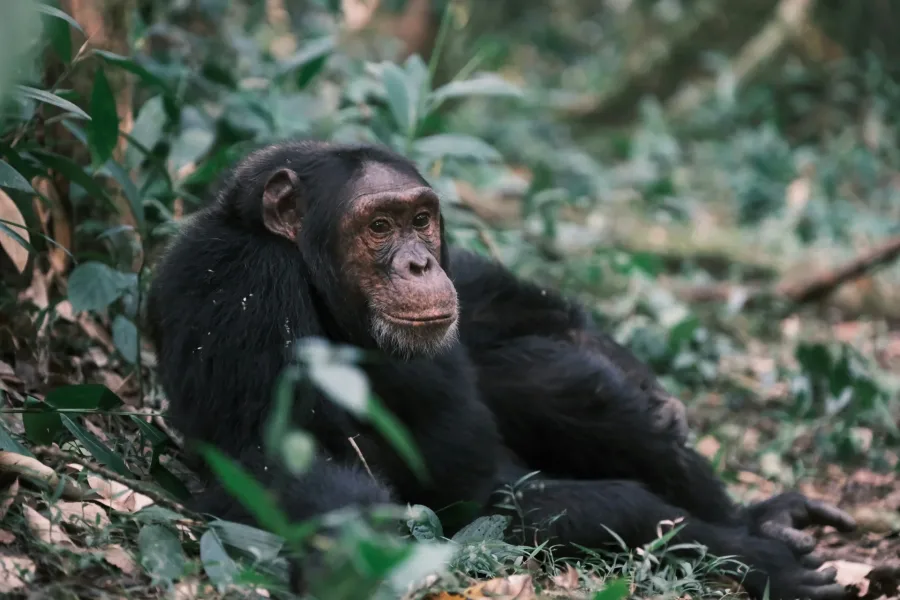
Stopping there would undersell it, though. Rwanda is roughly the size of Massachusetts, and in a week you can follow chimpanzees through the canopy of Nyungwe Forest, watch the sun go down over Lake Kivu, and look for lions and black rhino in Akagera, the savannah park that brought both back after they had been lost. The same volcanoes run straight into Uganda, so the two countries sit easily in one trip, as on our multi-country safaris.
Start in Kigali if you can spare half a day. It is calm, green and easy to like, and the Kigali Genocide Memorial puts everything you see afterwards in context. For the official park rules, Visit Rwanda is the national tourism board's site.
Which Rwanda Route Suits You?
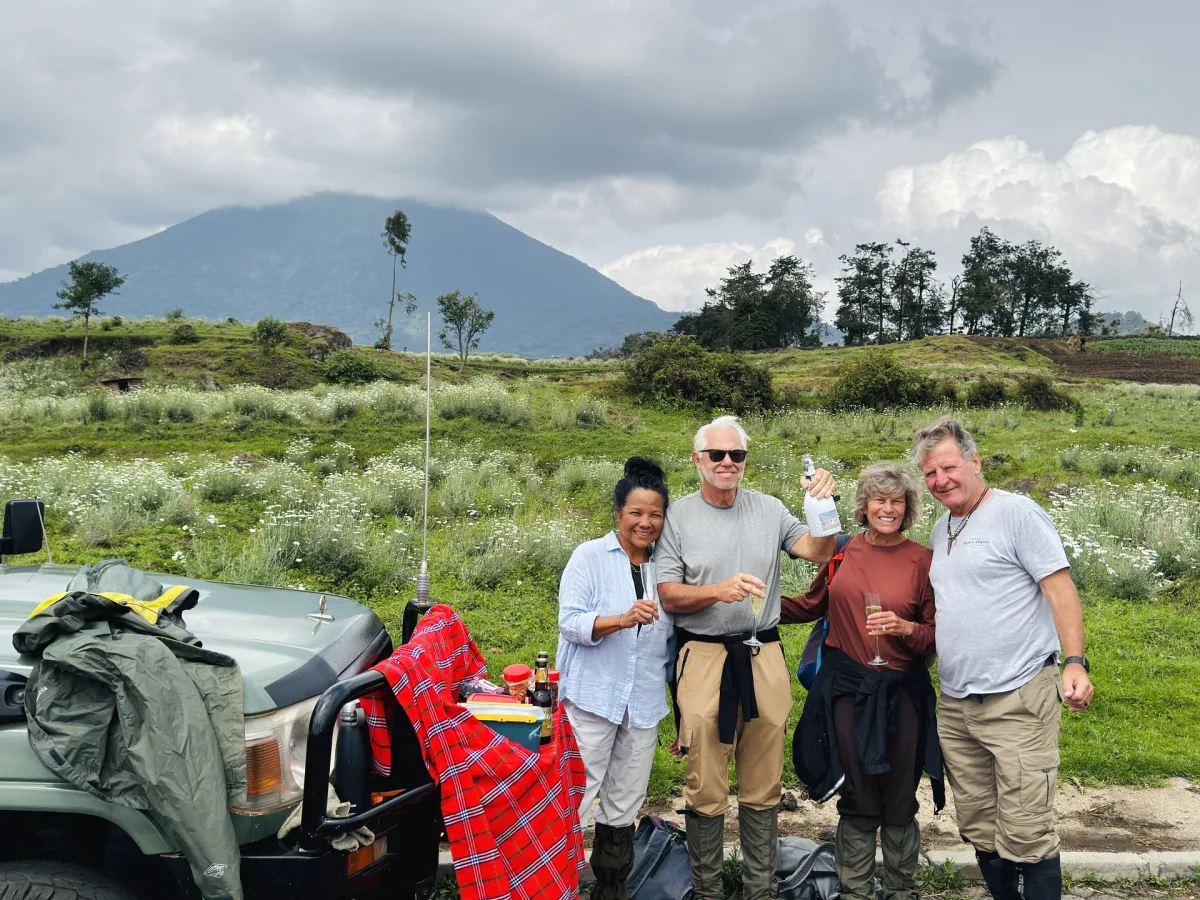
Volcanoes and Kigali
Two or three nights near the park: the gorilla trek, then golden monkeys or the hike to Dian Fossey's grave the next morning, and back to Kigali for your flight.
Explore Volcanoes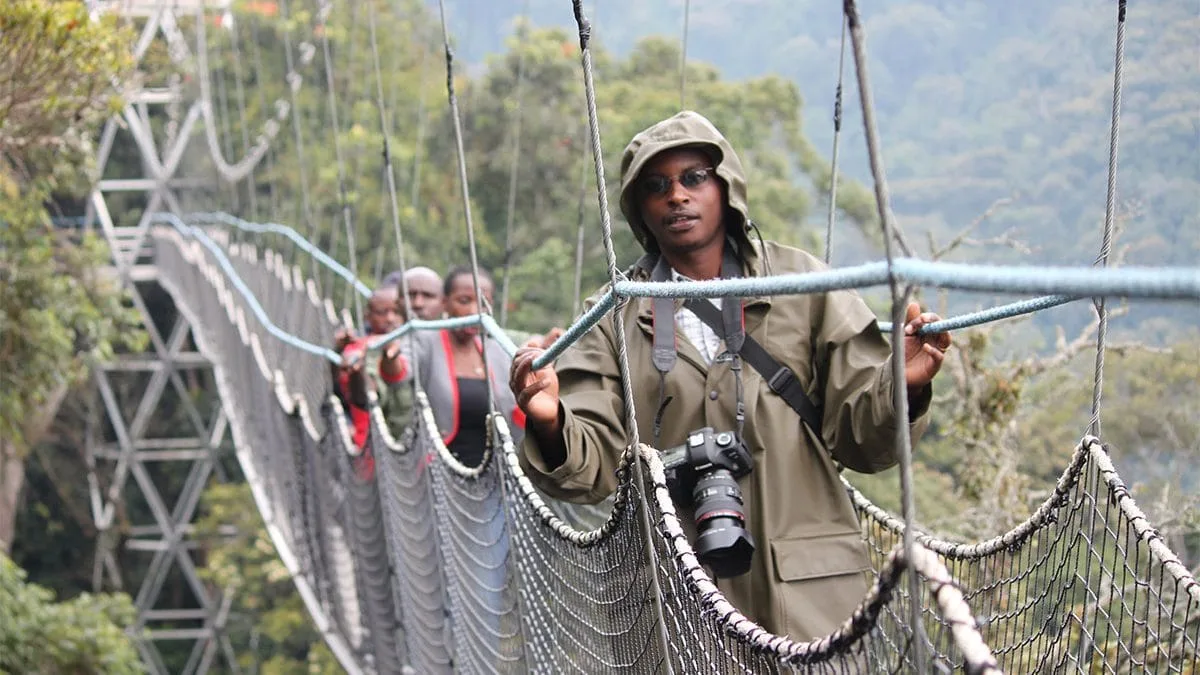
Volcanoes, Kivu and Nyungwe
From Volcanoes down the shore of Lake Kivu to Nyungwe, for chimpanzee tracking and the canopy walkway. Forest at both ends, water in the middle.
Explore Nyungwe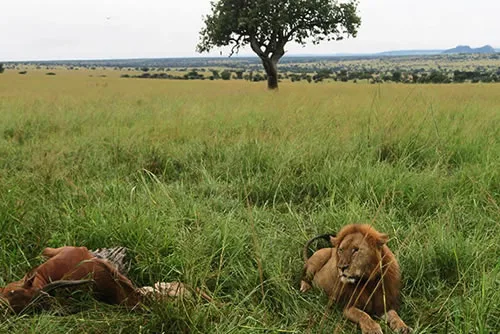
The whole country
Add Akagera in the east, two to three hours from Kigali, for game drives and a boat on Lake Ihema after the forests.
Explore AkageraRwanda, Park by Park
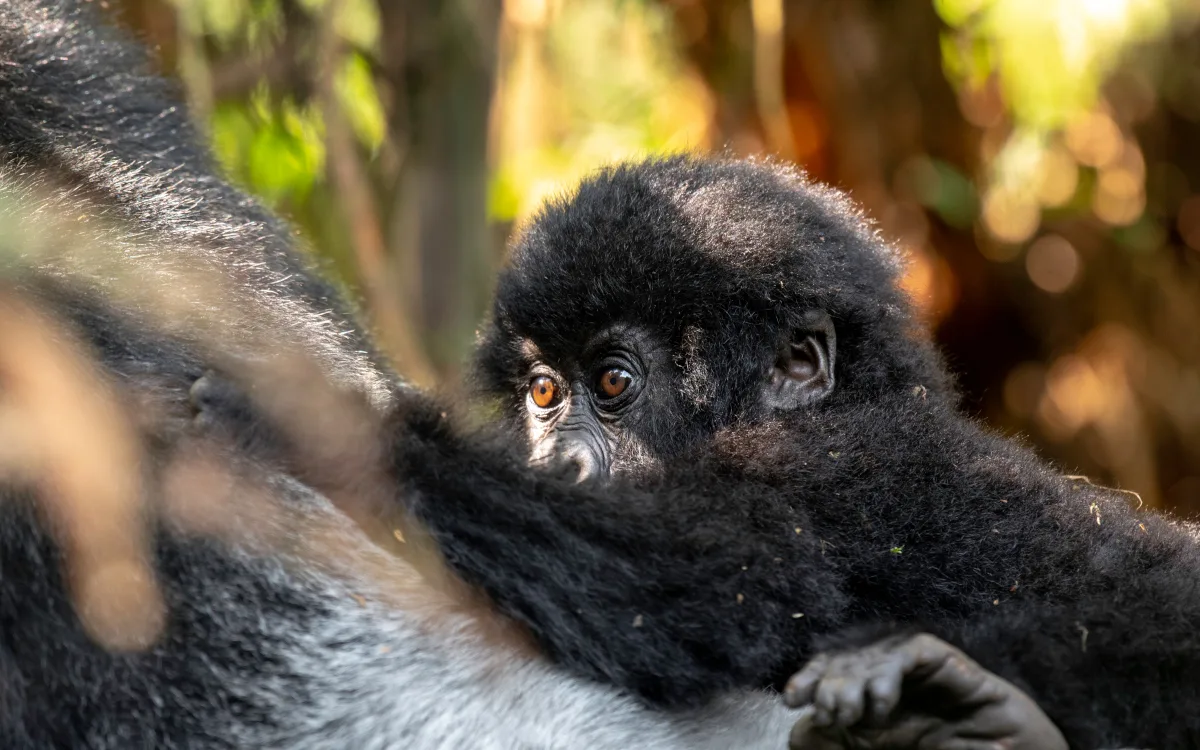
Volcanoes National Park
Nyungwe Forest National Park
Akagera National Park
One more, and the lake
Rwanda's smallest park is worth a day if chimpanzees are on your list and Nyungwe is not.
Beyond the parks: Lake Kivu, on the road between Volcanoes and Nyungwe, and the Kigali Genocide Memorial in the capital.
Lake Kivu, for a Slower Finish
After an early start on the volcano, Lake Kivu is where the trip exhales. It is a long, deep lake on the Congo border, with steep green hills running down to the water, fishing boats going out at dusk, and the singing of the fishermen carrying across in the dark. Two nights here, between Volcanoes and Nyungwe, cost very little extra driving.
Kayak along the shore, cycle a stretch of the Congo Nile Trail, take a boat to the islands, or do nothing at all. It works best framed by Volcanoes National Park on one side and Nyungwe on the other, which is how most of our Rwanda safaris use it.
Wildlife Worth Planning Around
When Is the Best Time to Visit Rwanda?
December to February
A shorter, drier spell. Good trekking and easy roads, with lodges filling around Christmas, so book permits early.
March to May
The long rains and the wettest months. Muddy trails and slower walking, but the hills are at their greenest and the parks at their quietest.
June to September
The long dry season and the busiest. Firmest trails and the clearest views of the volcanoes. Permits sell out first.
October to November
The short rains, often as afternoon showers. Fewer visitors, and mornings that are usually fine for trekking.
Rwanda Safaris
Rwanda, Uganda, or Kenya and Tanzania?
Choose Rwanda if
- Gorillas are the main event and you have three or four days.
- You want the shortest transfer: Volcanoes is two to three hours from Kigali.
- Smooth roads and a calm, easy capital matter to you as much as the permit price.
Choose Uganda if
- You want gorillas inside a longer trip, with chimpanzees, savannah and the Nile.
- You would rather pay US$800 for the gorilla permit than US$1,500.
- Long drives or a domestic flight do not put you off.
Pair Rwanda with Another Country
Cost, visas and the practical part
What it costs
Most private Rwanda safaris run from about US$400 to US$800 or more per person per day, depending on the lodges. Permits and park fees are extra, and the US$1,500 gorilla permit is usually the biggest single cost.
Safari pricingVisas
Available on arrival or online through Irembo. A single-entry tourist visa is US$50, or the East Africa Tourist Visa, at US$100, covers Rwanda, Uganda and Kenya. Your passport needs six months' validity.
Rwanda visas and entryHealth
A yellow fever certificate is needed if you arrive from a country with yellow fever risk, which includes Uganda and Kenya. Malaria is present, so see a travel clinic a few weeks before you go.
Rwanda health guideWhat is included
Usually all lodges on full board, a private 4×4 with your guide, transfers and the activities on your route. Permits and park fees are added to your quote; international flights, visas, tips and porters are extra.
Included and excludedBefore you plan Rwanda
Where can I go gorilla trekking in Rwanda?
In Volcanoes National Park, in the northwest, a little over two hours by road from Kigali. Twelve gorilla families are habituated to visitors, each visited by one group of up to eight people a day, and treks set off from the park headquarters at Kinigi at 7am.
How much is a gorilla permit in Rwanda?
A Rwanda gorilla permit costs US$1,500 per person. Permits are limited, so for June to September it is worth securing yours six to twelve months ahead. We book the permit first and build the rest of the trip around it.
Can I see the gorillas on a day trip from Kigali?
It can be done, with a very early start and a long drive back, but we would not plan it that way. One night near the park, and ideally two, means the trek is not squeezed between two drives, and leaves room for golden monkeys or the hike to Dian Fossey's grave.
Is Rwanda or Uganda better for gorilla trekking?
Rwanda suits a short trip where gorillas are the point: the park is close to Kigali, the roads are good and the lodges are some of the finest in Africa, for a US$1,500 permit. Uganda suits a longer trip that adds chimpanzees, savannah and the Nile. Its gorilla permit is US$800, or US$600 in April, May and November. Many people do both in one journey.
How much does a Rwanda safari cost?
Most private Rwanda safaris cost from about US$400 to US$800 or more per person per day, depending on the lodges, with permits and park fees added on top. The gorilla permit, at US$1,500 per person, is usually the biggest single cost of a short trip.
Do I need a visa for Rwanda?
Visas are available on arrival or online through Irembo before you travel. A single-entry tourist visa costs US$50, and the East Africa Tourist Visa, at US$100, covers Rwanda, Uganda and Kenya. Your passport needs six months' validity.
When is the best time to visit Rwanda for gorilla trekking?
June to September is the long dry season and the busiest time to go. December to February is a shorter, drier spell. March to May brings the heaviest rain and the muddiest trails, though also fewer visitors. Gorillas can be tracked all year.
What else can I do in Rwanda besides gorilla trekking?
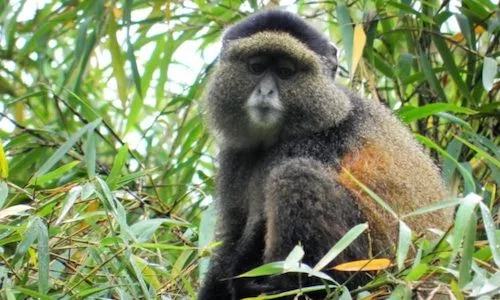
Track golden monkeys in the bamboo of Volcanoes, follow chimpanzees and walk the canopy walkway in Nyungwe, look for lions, rhino and elephants in Akagera, and slow down on the shores of Lake Kivu. In Kigali, the Genocide Memorial is worth a quiet morning.
Should I add Lake Kivu to a Rwanda safari?
Add it if you want a few slow days between the forests: Kivu sits on the road between Volcanoes and Nyungwe, so it costs little in driving. Skip it if your trip is only three or four days and the gorillas are the reason you came.