Ngorongoro Conservation Area encompasses 8,292 km² in northern Tanzania, but its centrepiece is the Ngorongoro Crater, the world’s largest intact, unflooded volcanic caldera. Formed by the collapse of an ancient volcano roughly 3 million years ago, the crater is 19 km in diameter, 600m deep, and 260 km² on its floor, a self-contained world supporting an extraordinary density of wildlife.
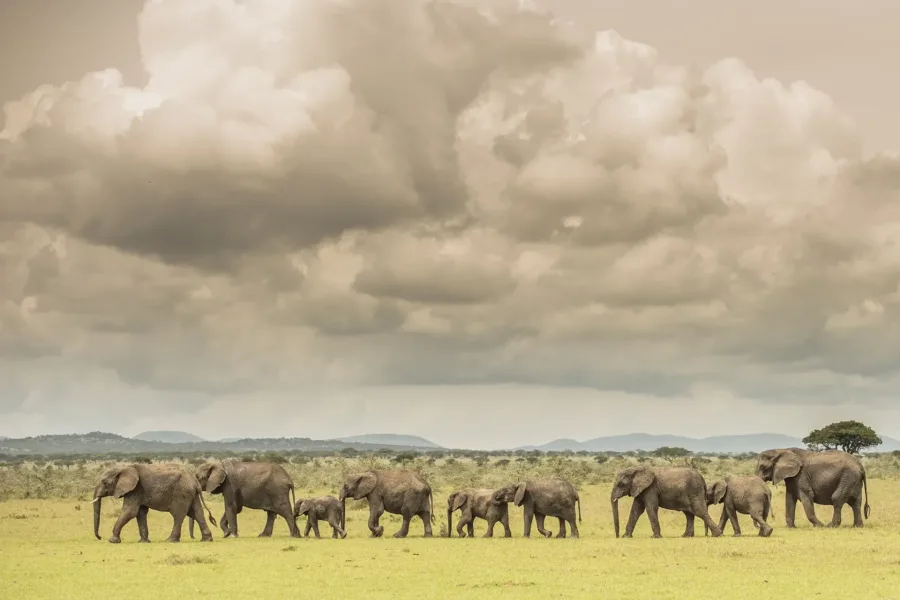
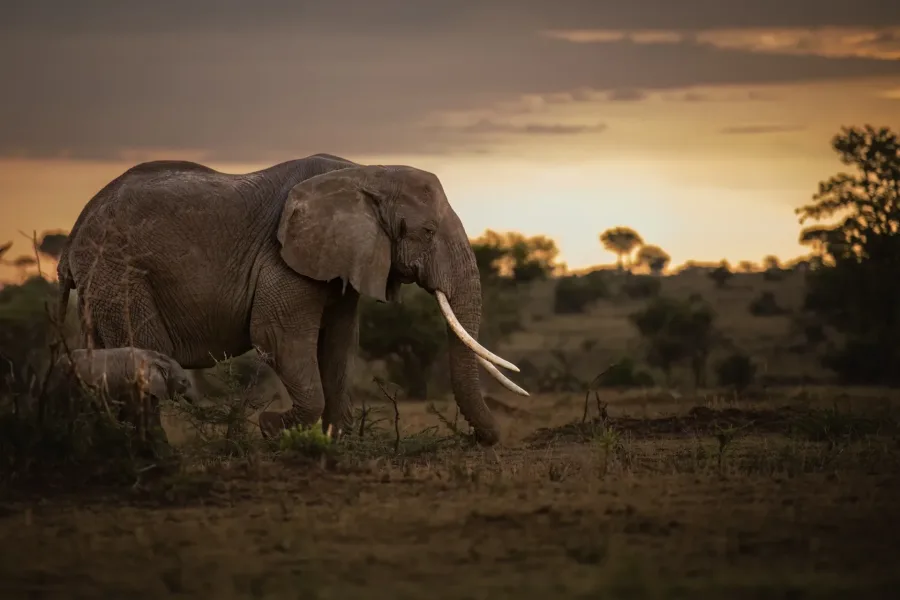
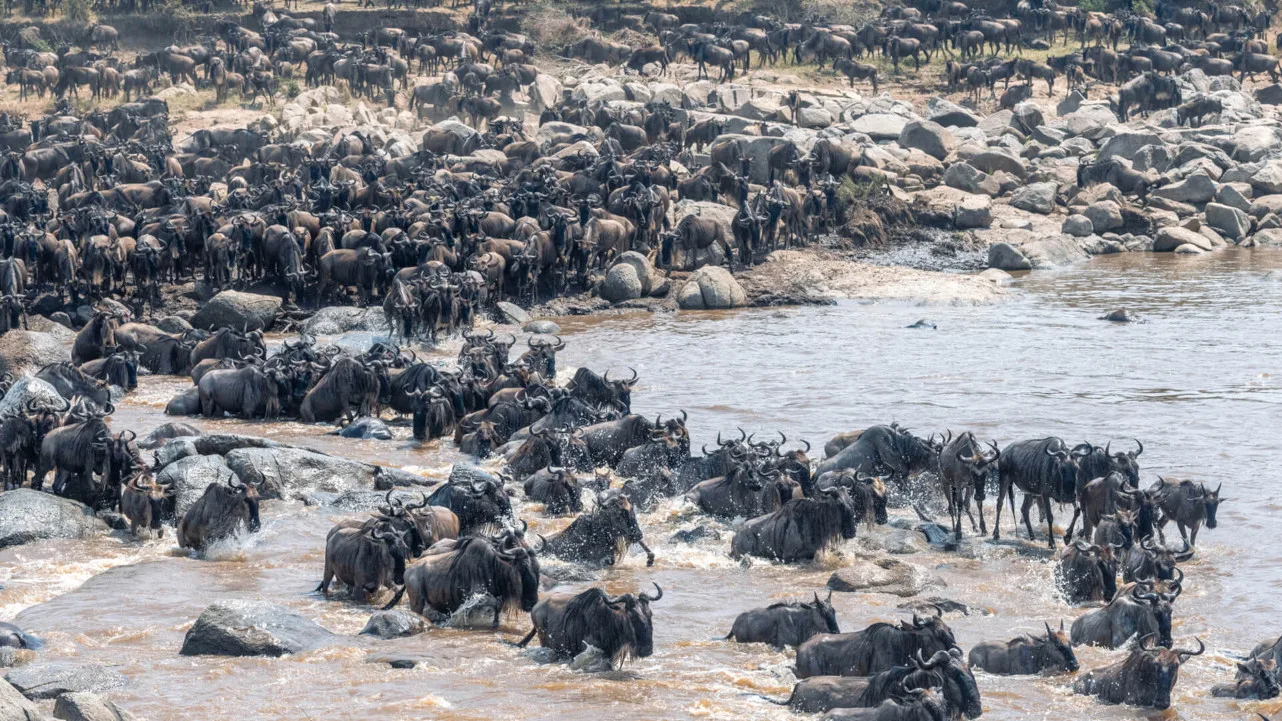
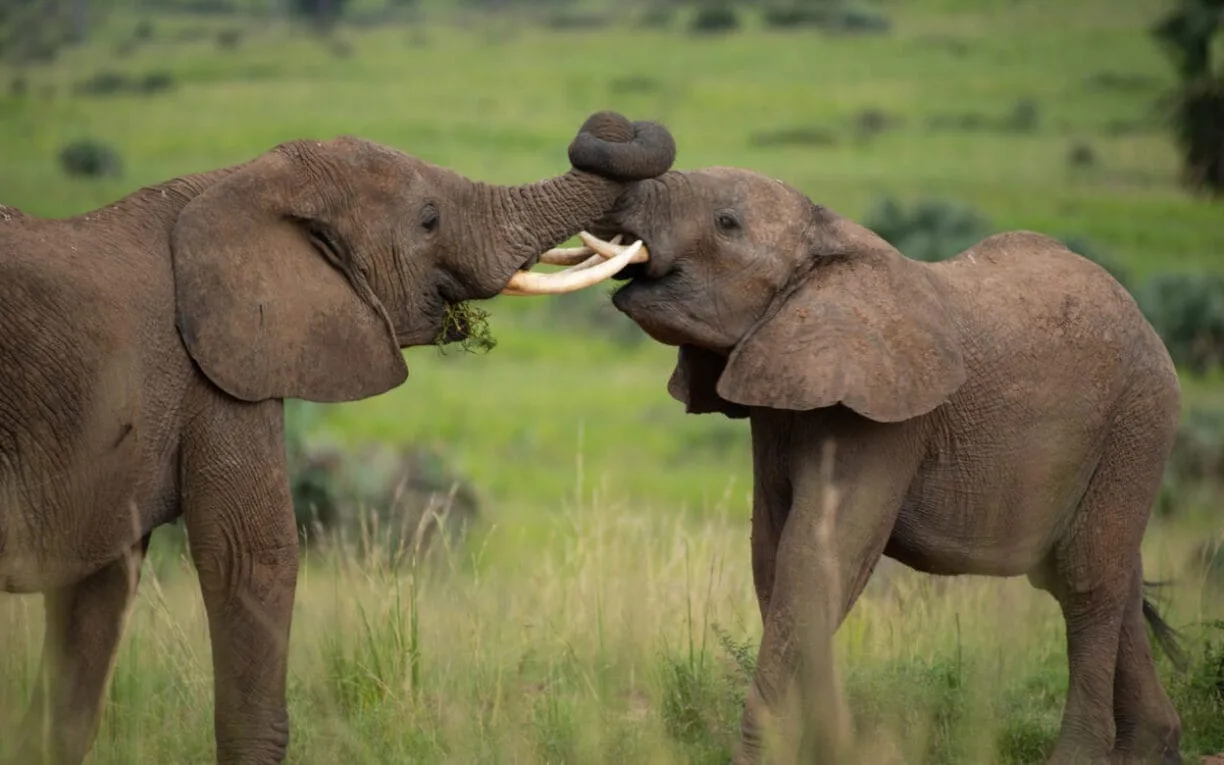
The crater floor hosts an estimated 25,000 large animals including all members of the Big Five. Ngorongoro is one of the best places in Africa to see black rhinos, with 30+ individuals living relatively undisturbed within the crater. Lions, leopards, elephants, buffalo, zebras, wildebeest, and spotted hyenas are all encountered regularly on crater floor game drives.
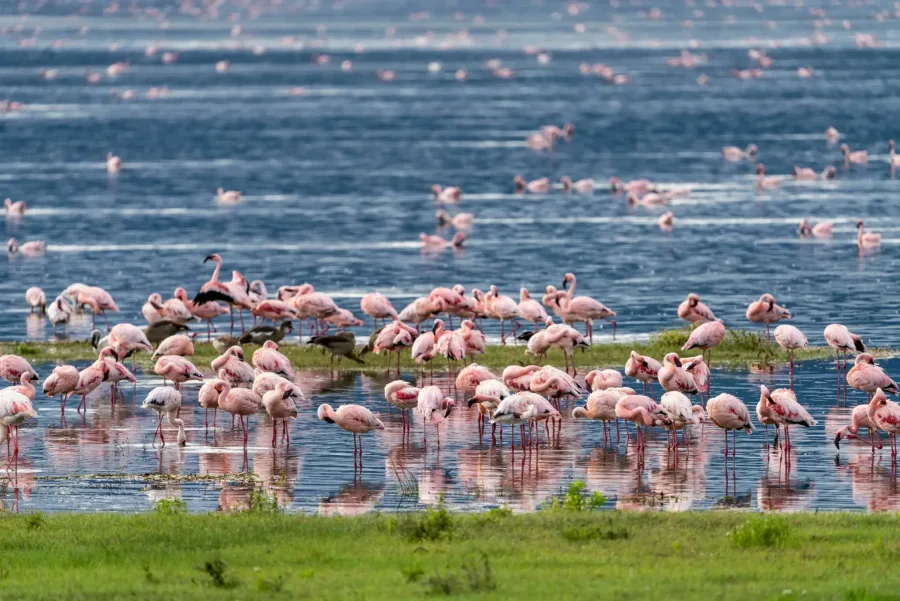
Lake Magadi at the crater’s bottom turns pink seasonally with thousands of flamingos, while the hippo pools along the Munge River offer close encounters with these massive animals.
Olduvai Gorge, within the conservation area on the Serengeti plateau, is one of the world’s most important palaeontological sites. This 50-km ravine has yielded fossils of early hominids spanning nearly 4 million years, including Homo habilis and Australopithecus. A small museum explains the landmark discoveries of Mary and Louis Leakey.
The conservation area is unique in allowing Maasai pastoralists to continue living and grazing cattle within the rim (though not the crater floor), maintaining a human-wildlife coexistence that dates back centuries.
The rim experience: Crater rim lodges offer spectacular sunset views across the caldera and cool highland temperatures at 2,300m elevation.