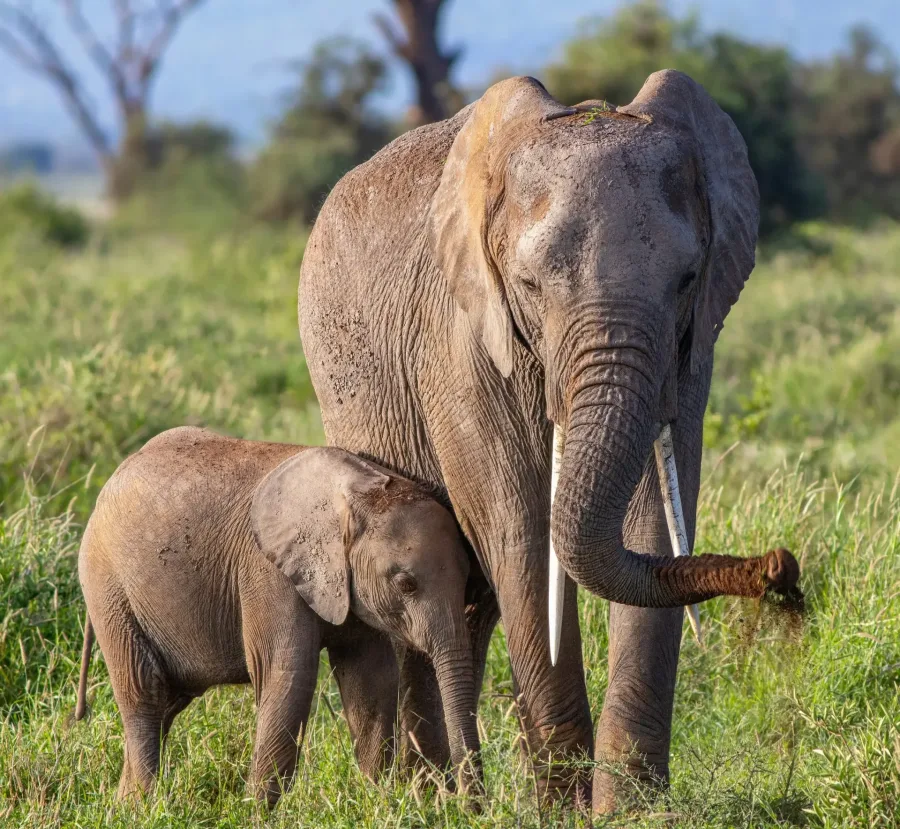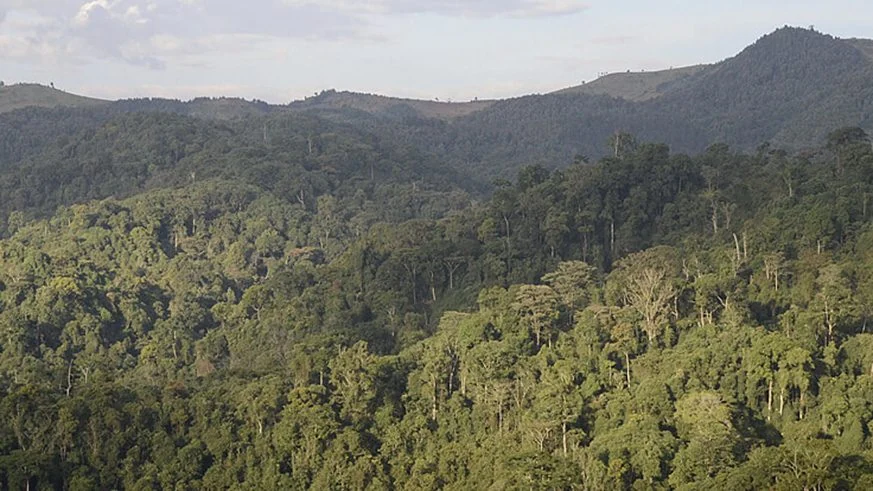
Akagera National Park occupies 1,122 km² of rolling hills, savannah, woodland, and a chain of lakes along Rwanda’s eastern border with Tanzania. Once decimated by poaching and agricultural encroachment, Akagera has been transformed over the past decade through a partnership between Rwanda Development Board and African Parks into one of Africa’s most compelling conservation turnaround stories.
In 2015, lions were reintroduced from South Africa, the first lions in the park in over 20 years. In 2017, black rhinos were translocated from European zoos, completing Akagera’s Big Five roster. Today, the park’s wildlife populations are thriving and expanding.
Lake Ihema, Akagera’s largest lake, is the centrepiece of boat safaris, where visitors drift alongside hippo pods, Nile crocodiles, and shoals of waterbirds including the prehistoric-looking open-billed stork and the African fish eagle. The lake system supports one of the highest hippo densities in East Africa.
The park’s diverse habitats, from tall grass savannah to acacia bushland, swamps and lakes, produce extraordinary biodiversity. Over 500 bird species have been recorded, including the papyrus yellow warbler and several species restricted to the Lake Victoria basin.
Akagera is the easiest park to combine with Kigali (2.5 hours by road) and pairs naturally with Volcanoes and Nyungwe on a full Rwanda wildlife circuit.
Lake Ihema boat safari and Big Five game drives
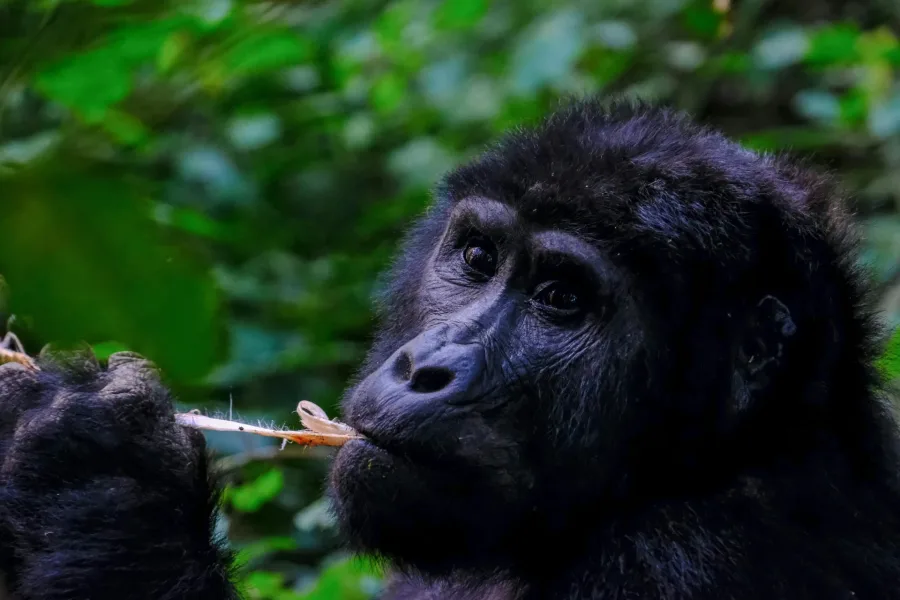
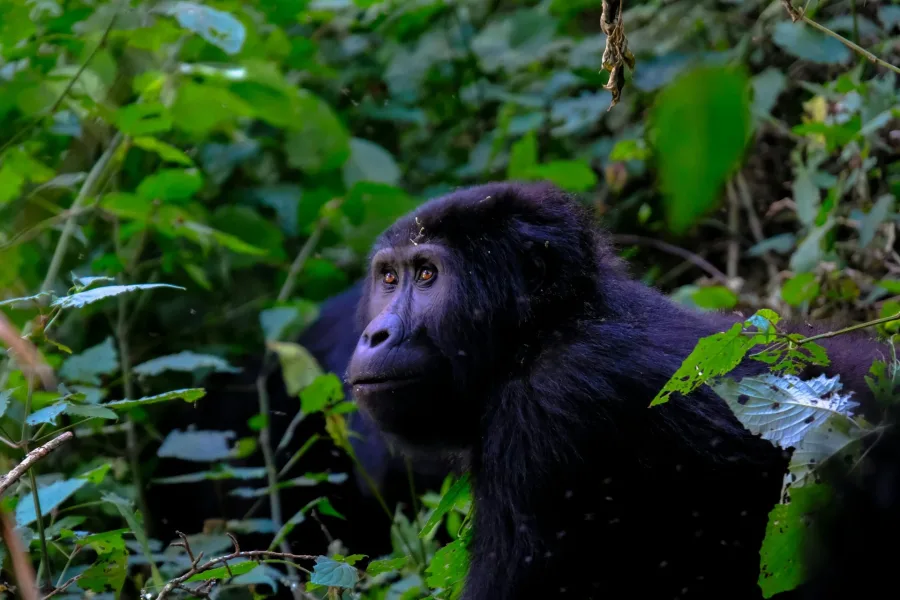
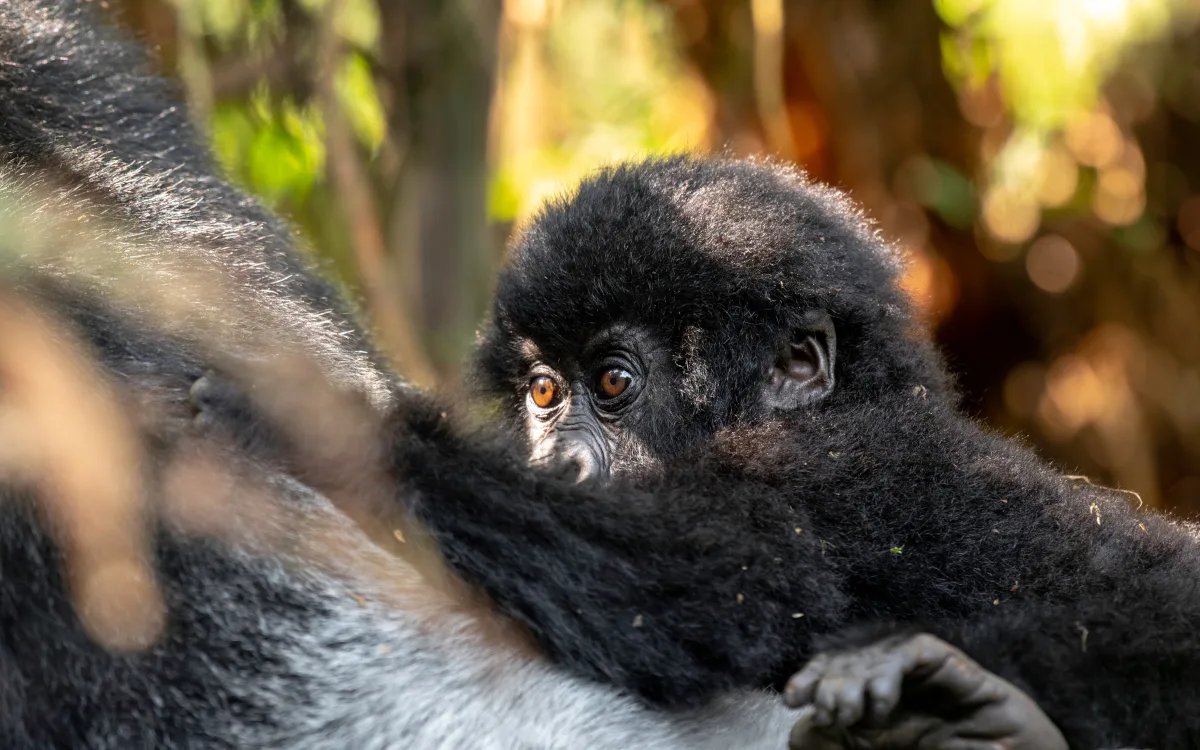
Akagera’s mix of plains and lakes makes it Rwanda’s classic savannah counterpoint to Virunga primates. A Lake Ihema boat cruise plus game drives for lion and reintroduced black rhino round out itineraries that begin or end with Volcanoes National Park.
Getting there
Akagera lies on Rwanda’s eastern border and is typically reached by road from Kigali in a few hours. It combines cleanly with Volcanoes or Nyungwe on a fuller Rwanda itinerary. See Rwanda safaris.